
Ever had a heart-stopping moment when your alarm blares at the smallest thing? A falling branch or your pet triggers chaos, and it drives me nuts. You’re not alone.
Our homes deserve better. Enter smart home security. The market is a maze, full of devices promising peace of mind but often delivering just more noise.
I get it. It’s overwhelming. That’s where this guide steps in.
We’ve sifted through the latest tech, cutting through the marketing fluff to find what truly works. Trust this guide because we’ve done the homework, digging into real-world performance, not just shiny specs.
You’ll get a no-nonsense breakdown of intelligent systems, which parts matter, and how to choose wisely. Ready to find real solutions?
Smart vs. Intelligent: Distinctions Matter
When we talk about smart home security, it might sound impressive, but do we really know what smart even means? “Smart” usually just means it’s connected to the internet. You get notifications and can control stuff remotely. That’s cool but not exactly new.
It’s like those old flip phones that had buttons for the internet but didn’t actually do much with it.
Now, intelligent security is a game-changer. It’s not just about connecting; it’s about understanding. Imagine a camera that doesn’t just beep at any motion (a leaf, a shadow, you name it) but actually knows what’s what.
Is it a person, a package, or just your neighbor’s cat? An intelligent system figures that out and saves you the heart attack. Who wouldn’t want that?
AI and machine learning are the brains behind this. These technologies can learn your family’s habits over time, minimizing false alarms. It’s like having a guard who knows you well enough not to freak out when your kid comes home from school.
Does your current system do that? Probably not.
And then there’s the proactive vs. reactive debate. Reactive systems tell you something’s wrong after it happens. But proactive?
They’re the ones that play offense. Imagine knowing a window might break because the system hears the sound first. That’s real security.
If you’re into future tech, you might find parallels with Top Wearable Tech Health Monitoring. Both concepts use smart innovations to anticipate and adapt to your needs. Which makes more sense to you: a security system that mindlessly reports events or one that thinks ahead?
Modern Safety: The Smart Home Security Breakdown
So, you want to know what makes a smart home security system tick? Intelligent cameras are the eyes of your system. They don’t just watch; they learn.
Person detection? They’ve got it. Package detection?
Check. Recognizing familiar faces? Absolutely.
Next, let’s talk sensors. Gone are the days of simple open/close sensors. We have multi-purpose sensors now.
These cameras can create custom motion zones, ignoring irrelevant activity. Who needs footage of squirrels, right?
They detect motion, temperature, and light all at once, making them the unsung heroes of your home. Imagine smart smoke and CO detectors that differentiate between steam and smoke. No more false alarms from your shower getting too steamy.
And don’t forget water leak sensors. They can trigger automatic water shutoff, offering peace of mind when you’re away.
Then there’s the system’s brain, the hub. This is where everything connects. But here’s the twist: edge computing.
Most people store data in the cloud, but how about processing it locally? That’s what makes edge computing a game-changer. It’s faster and more secure because your data stays in your home.
Plus, it works even if your internet fails. That’s a big advantage over basic systems.
Let’s be honest. We want smart home security systems that are reliable and fast. They’re not just about tech, but about feeling safe.
This is where home security & monitoring comes into play.
Smart home security isn’t just a trend. It’s important for a modern lifestyle. Whether it’s the intelligent cameras or advanced sensors, each part .
The system’s brain keeps it all together. These components work seamlessly to form a strong safety net for your home.
Smart Home Security: Real Scenarios, Real Peace
When I talk about smart home security, I’m not just throwing buzzwords around. Let’s face it, we want systems that do more than just beep. Imagine an “Intelligent Away” mode.
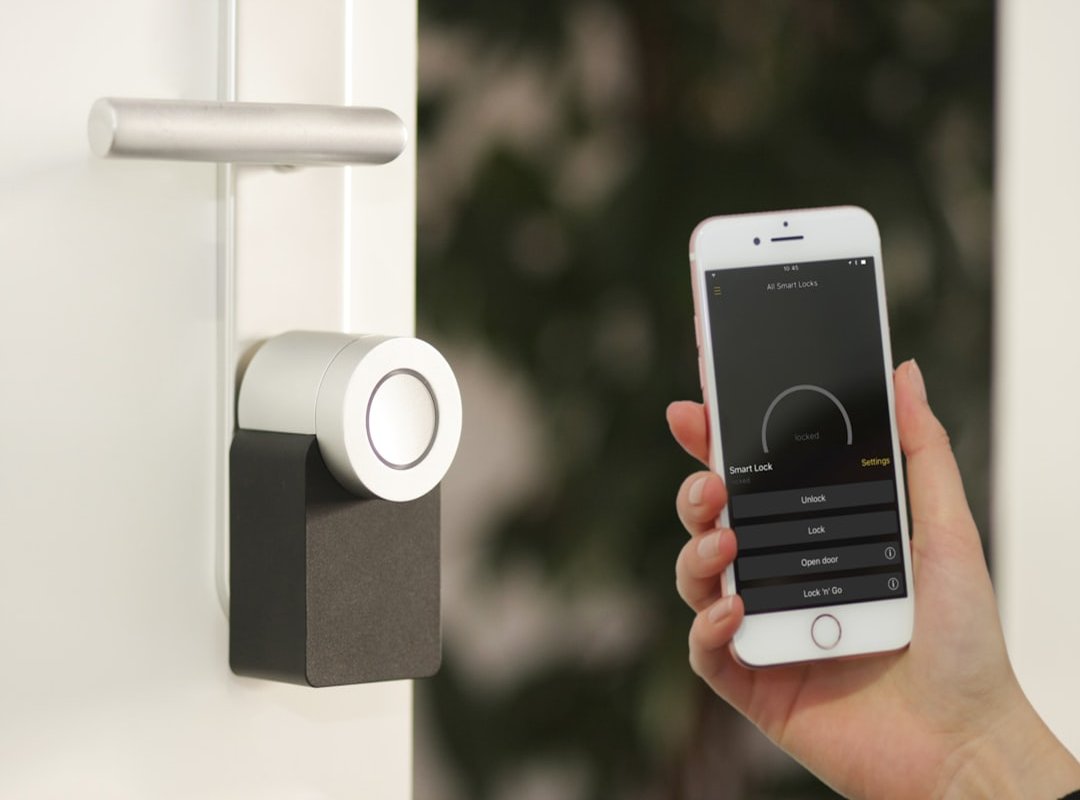
You leave home, and your system doesn’t just lock up. It actually learns. It spots the weird stuff, like someone hanging around your side door.
Before anything sketchy happens, the lights flash, a voice warns them off. It’s like your house is alive and looking out for you.
Now, think about a fire emergency. A smart smoke alarm does so much more. Sure, it sounds an alarm, but it also unlocks the front door for firefighters.
Lights guide your escape route. It even shuts down the HVAC to stop smoke from spreading. That’s coordination.
It’s like your house is part of the emergency team.
And what about everyday life? Picture this: your security system uses cameras to recognize familiar faces. It sends you a message saying, “The kids are home from school” or “Your package is safe on the porch.” No more guessing with vague alerts.
You’re informed, not just notified.
These scenarios aren’t sci-fi. They’re practical, real-world applications of integrated systems. They’re not just creating security.
They’re creating confidence. If you’re interested in how this tech translates to other spaces, check out new smart office solutions 2024. It’s all about making technology work for you, wherever you are.
Choosing Your System: A Simple Guide
Alright, let’s talk smart home security. You want a practical system without all the fluff. Trust me, the first thing you need is a solid understanding of your own needs.
Do you live in a small apartment or a sprawling house? More gadgets don’t always mean better security. Sometimes, less is more.
Now, DIY or professional systems? That’s the million-dollar question. DIY is cheaper, sure, but have you tried integrating a complex system yourself?
It’s not as simple as it seems. A professional setup might save you time and headaches, offering better integration and support. Sure, it costs more upfront, but think about long-term convenience.
And then you’ve got costs. Beware of those systems with mandatory monthly subscriptions. They often sneak up on you.
Some systems prioritize local storage, avoiding those pesky cloud fees. Edge computing is becoming a big deal here. Optional monitoring plans can be an affordable add-on.
Finally, let’s talk compatibility. Ever heard of Matter, Zigbee, or Z-Wave? These protocols are game changers.
They make sure that future devices can seamlessly join your system. You don’t want to be locked into one brand forever, right? It’s smart to plan for the long haul.
In the end, make sure you pick a system that meets your lifestyle. When you think about all these elements, you’ll thank me later. Keep it simple, stay informed, and choose wisely.
Take Control of Your Home’s Safety
Tired of those noisy alarms that wake you up for no reason? I get it. You want peace of mind. smart home security comes in.
It’s not about just collecting data; it’s about understanding it. Imagine a system that adapts to your life and acts before problems arise. It’s not science fiction.
It’s reality. Start by walking through your home. Identify those weak spots.
Why wait to feel secure? You deserve a system that learns and protects. Ready to make the change?
Your home’s safety is in your hands. Secure it with intelligence. Start exploring today.
 Founder & Chief Innovation Officer
There is a specific skill involved in explaining something clearly — one that is completely separate from actually knowing the subject. Ythran Draymond has both. They has spent years working with innovation alerts in a hands-on capacity, and an equal amount of time figuring out how to translate that experience into writing that people with different backgrounds can actually absorb and use.
Ythran tends to approach complex subjects — Innovation Alerts, Smart Devices and Solutions, Tech Landscapes and Trends being good examples — by starting with what the reader already knows, then building outward from there rather than dropping them in the deep end. It sounds like a small thing. In practice it makes a significant difference in whether someone finishes the article or abandons it halfway through. They is also good at knowing when to stop — a surprisingly underrated skill. Some writers bury useful information under so many caveats and qualifications that the point disappears. Ythran knows where the point is and gets there without too many detours.
The practical effect of all this is that people who read Ythran's work tend to come away actually capable of doing something with it. Not just vaguely informed — actually capable. For a writer working in innovation alerts, that is probably the best possible outcome, and it's the standard Ythran holds they's own work to.
Founder & Chief Innovation Officer
There is a specific skill involved in explaining something clearly — one that is completely separate from actually knowing the subject. Ythran Draymond has both. They has spent years working with innovation alerts in a hands-on capacity, and an equal amount of time figuring out how to translate that experience into writing that people with different backgrounds can actually absorb and use.
Ythran tends to approach complex subjects — Innovation Alerts, Smart Devices and Solutions, Tech Landscapes and Trends being good examples — by starting with what the reader already knows, then building outward from there rather than dropping them in the deep end. It sounds like a small thing. In practice it makes a significant difference in whether someone finishes the article or abandons it halfway through. They is also good at knowing when to stop — a surprisingly underrated skill. Some writers bury useful information under so many caveats and qualifications that the point disappears. Ythran knows where the point is and gets there without too many detours.
The practical effect of all this is that people who read Ythran's work tend to come away actually capable of doing something with it. Not just vaguely informed — actually capable. For a writer working in innovation alerts, that is probably the best possible outcome, and it's the standard Ythran holds they's own work to.