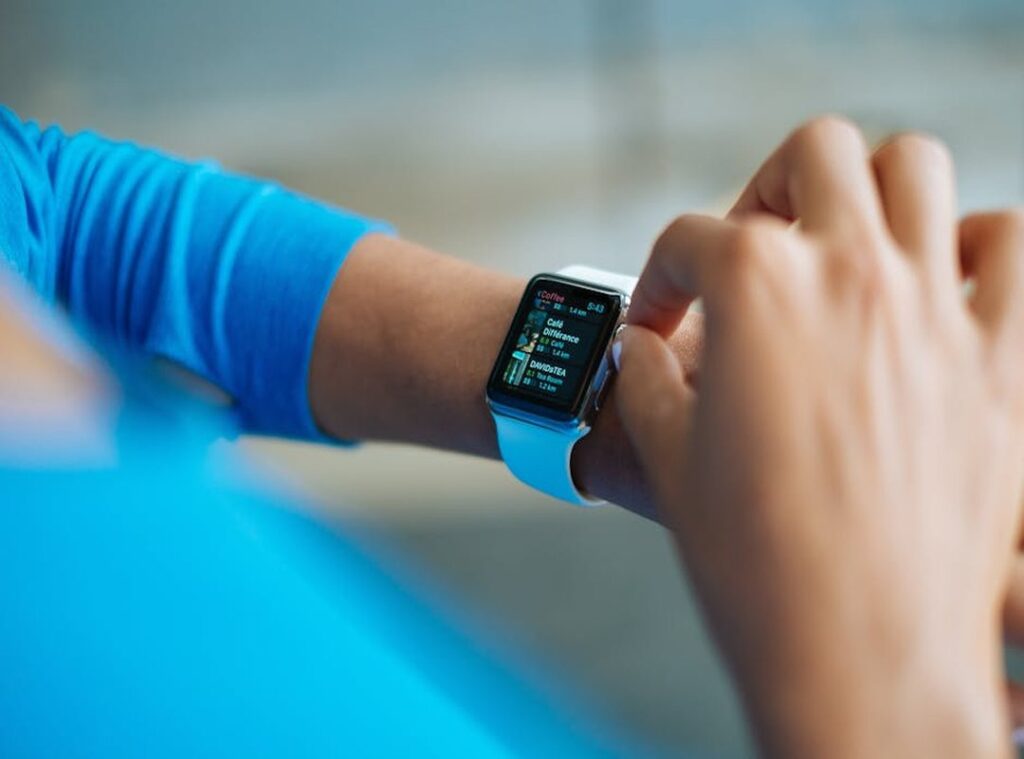
Picture this: your smartwatch isn’t just counting steps anymore. It’s a health guardian on your wrist. But with so many features and gadgets, it’s confusing, right?
What does wearable tech health truly offer? And how do you actually use it without drowning in tech jargon?
I get it. I’ve spent years in the trenches, analyzing tech trends and smart devices. It’s a wild world out there, but I’m here to cut through the noise.
You’ll get a no-hype guide that deciphers this technology, pinpoints meaningful trends, and opens up the future of personal health monitoring.
Stay with me. We’ll decode the chaos. You’ll walk away understanding your devices better, but also knowing how to make them work for you. and explore together.
What is Wearable Health Technology? Peek Inside
Wearable health technology isn’t just about gadgets on your wrist. It’s a full-blown system that combines sensors, data processing, and real health metrics. How does this work?
Let me break it down.
First, we have photoplethysmography (PPG) sensors. They measure your heart rate and blood oxygen by shining light through your skin. It’s fascinating how a little light can reveal so much about your heart’s rhythm.
But that’s just one piece of the puzzle.
Accelerometers and gyroscopes are next. They track your movement and detect if you’ve had a fall. Ever wondered how your fitness tracker knows you’ve been sitting too long?
It’s these sensors doing the heavy lifting. They also monitor your sleep patterns (or lack thereof).
Then there’s the electrocardiogram (ECG) sensor. It’s like having a mini heart doctor on your wrist. It picks up heart rhythm irregularities that could spell trouble.
The tech behind wearable devices is nothing short of impressive.
Now, you might ask, how does raw data become a health metric? Simple: data processing. This is where algorithms kick in to turn sensor information into something meaningful for us.
Sure, it sounds a bit like science fiction, but it’s real and happening now.
As we dive deeper, think about how best smart home devices security connects to this. Both fields rely on tech that keeps us informed and safe. Wearable tech health is transforming how we understand our bodies.
But let’s not get carried away (privacy) will be a big topic later.
Wearable Tech Health: Beyond the Basics
Wearables have come a long way from just counting steps. Today, they’re redefining how we think about health. Let’s talk about the biggest trends that are shaking things up.
First up, the shift to proactive and predictive health. It’s not just about what you did yesterday. Now, wearables are stepping into the future.
With features like irregular heart rhythm notifications and sleep apnea detection, these devices are predicting potential health risks before they become issues. Imagine knowing your stress levels throughout the day and having your watch tell you when to take a break. This isn’t just neat tech; it’s life-changing.
Why wait to find out you’re stressed after a meltdown when your device can warn you ahead of time?
Next, to medical-grade monitoring at home. The line between consumer gadgets and medical devices is blurring. Wearables now offer FDA-cleared features like ECG and Afib detection.
It’s like having a mini clinic on your wrist. Ever heard of continuous glucose monitors? They’re integrating with smartwatches too.
So, what does “medical-grade” mean for you? It means accuracy and reliability. It means you can trust your device to give you real health takeaways.
No more guessing if that number is right or if it’s just another quirky gadget reading. This is the real deal.
Finally, the power of AI and personalization can’t be ignored. AI is the silent hero behind your wearable, analyzing personal data patterns to offer recommendations tailored just for you. Think about it: instead of sifting through raw data, you get actionable advice.
Want to know how your sleep patterns affect your mood? AI’s got your back. This tech is moving beyond numbers and is now [wearing the future.
Wearables to help users](https://pmc.ncbi.nlm.nih.gov/articles/PMC9330198/). It’s about making your health data work for you, not the other way around.
In the world of wearable tech health, these trends aren’t just innovations. They’re revolutionizing how we live. So, are you ready to embrace this change?
Because whether you like it or not, the future is here, and it’s on your wrist.
Beyond Step Counting: The Real-World Benefits and Risks
Wearable tech health is more than just counting steps. It’s about empowerment. Imagine this: You’re sharing your health data with your doctor.
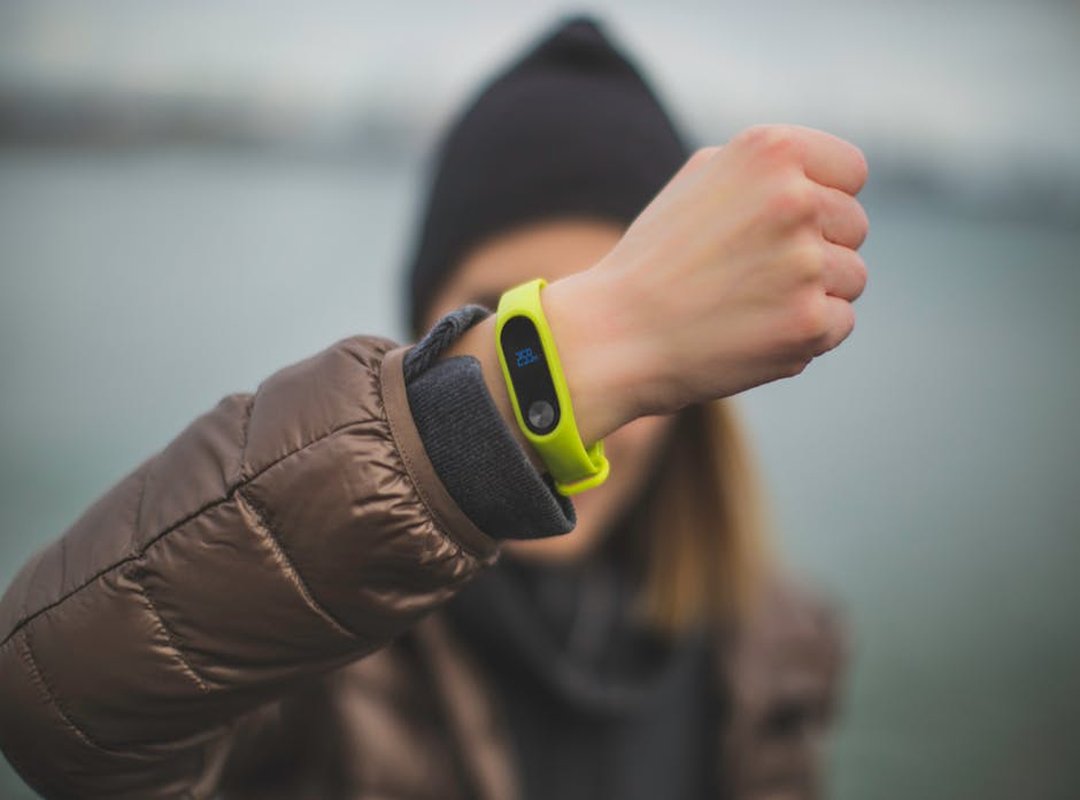
Suddenly, conversations are sharper, more informed. Chronic conditions? Managed better.
Potential issues? Spotted early. It’s like having a secret weapon in your health arsenal.
But let’s not get ahead of ourselves. There are risks too. What’s the biggest concern?
Data privacy and security. Who owns your health data? How is it protected?
These are the questions you need to ask. Seriously, who wants their health details floating around without consent?
Then there’s the issue of accuracy and over-reliance. Consumer wellness devices aren’t clinical diagnostic tools. They’re helpful but not definitive.
You wouldn’t diagnose a disease based on your smartwatch, would you? Understanding this difference is key. We need to manage expectations here.
For those diving into wearable tech, consider this Guide Smart Fitness Devices Beginners. It’s a solid resource to get through the basics.
Let’s face it, wearable tech is transforming healthcare. But it’s not without its pitfalls. We can’t ignore the potential for misuse or misunderstanding.
The benefits are huge, but so are the responsibilities.
In the end, it’s about balance. Use these tools to boost your life, not control it. Stay informed, ask questions, and most importantly, keep your health at the forefront.
Wearable tech health is here to stay, but let’s use it wisely.
The Future is Now: Wearable Tech Health
Let’s face it, wearable tech health is exploding. But where’s it really heading? Smart textiles and invisible sensors.
Imagine biosensors seamlessly woven into your clothes or ultra-thin patches that don’t scream, “Hey, I’m a gadget!” This isn’t just cool. It’s game-changing. Forget those bulky devices that cling to your wrist like a needy pet.
Think about this: your shirt can now tell you when your stress levels are through the roof. How? Edge computing.
Processing right on the device rather than the cloud is the secret sauce here. Real-time health alerts without that annoying lag. Want speed and privacy together?
This is how you get it.
Privacy is a big deal. Nobody wants their health data floating around cyberspace. With edge computing, it’s like having a mini data center strapped to your body.
Skeptical? Sure, it sounds like sci-fi, but the benefits are too compelling to ignore.
Pro Tip: Keep an eye on companies venturing into this space. It’s not just about the tech; it’s about how it changes your daily life. As smart devices get smarter, they’ll become invisible parts of your routine.
That’s the future, happening now.
Embrace the Power of Health Takeaways
Navigating the world of wearable tech health can be tricky, right? But here’s the bottom line: these gadgets aren’t just fancy toys. They’re game-changers for your health.
With the right approach, you can turn data into action. The article’s roadmap should’ve helped you map out your next steps. Use these takeaways to create healthier habits and make smarter health decisions.
Staying curious and informed is key. Ready to take charge of your health journey? Dive into the latest innovations.
Partner with us (we’re the #1 rated) and let’s transform your wellness game.
 Senior Technology Analyst
Ask Terence Goodwiningers how they got into tech landscapes and trends and you'll probably get a longer answer than you expected. The short version: Terence started doing it, got genuinely hooked, and at some point realized they had accumulated enough hard-won knowledge that it would be a waste not to share it. So they started writing.
What makes Terence worth reading is that they skips the obvious stuff. Nobody needs another surface-level take on Tech Landscapes and Trends, Expert Insights, Smart Devices and Solutions. What readers actually want is the nuance — the part that only becomes clear after you've made a few mistakes and figured out why. That's the territory Terence operates in. The writing is direct, occasionally blunt, and always built around what's actually true rather than what sounds good in an article. They has little patience for filler, which means they's pieces tend to be denser with real information than the average post on the same subject.
Terence doesn't write to impress anyone. They writes because they has things to say that they genuinely thinks people should hear. That motivation — basic as it sounds — produces something noticeably different from content written for clicks or word count. Readers pick up on it. The comments on Terence's work tend to reflect that.
Senior Technology Analyst
Ask Terence Goodwiningers how they got into tech landscapes and trends and you'll probably get a longer answer than you expected. The short version: Terence started doing it, got genuinely hooked, and at some point realized they had accumulated enough hard-won knowledge that it would be a waste not to share it. So they started writing.
What makes Terence worth reading is that they skips the obvious stuff. Nobody needs another surface-level take on Tech Landscapes and Trends, Expert Insights, Smart Devices and Solutions. What readers actually want is the nuance — the part that only becomes clear after you've made a few mistakes and figured out why. That's the territory Terence operates in. The writing is direct, occasionally blunt, and always built around what's actually true rather than what sounds good in an article. They has little patience for filler, which means they's pieces tend to be denser with real information than the average post on the same subject.
Terence doesn't write to impress anyone. They writes because they has things to say that they genuinely thinks people should hear. That motivation — basic as it sounds — produces something noticeably different from content written for clicks or word count. Readers pick up on it. The comments on Terence's work tend to reflect that.