
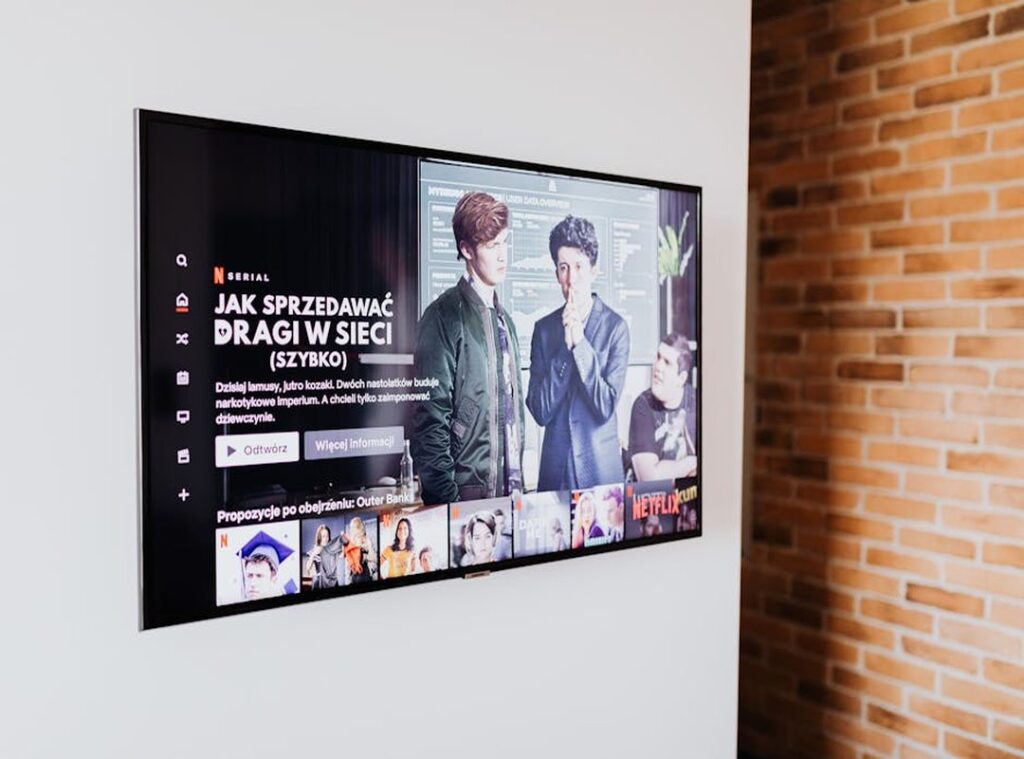
Ever felt trapped in a sea of “smart” devices that don’t actually talk to each other? It’s maddening. You want your tech to work together, not fight for your attention.
That’s what this is about (getting) your smart home theatre to finally make sense. I know tech like the back of my hand, and I’ve seen how the latest trends can leave you in the dust if you’re not careful.
Here’s the deal: I’ll deliver an actionable, no-nonsense blueprint to turn your scattered devices into an intelligent home entertainment system. Sound good? You’ll learn how to make everything from your TV to your speakers work in perfect harmony.
By the end, you’ll have a system that feels intuitive and immersive. Ready to dive in? Let’s make this happen.
Beyond ‘Smart’: What Makes an Entertainment System Truly?
We often confuse “smart” with “intelligent” when it comes to tech, don’t we? A smart TV is great. It streams apps.
Lights dim, thermostat adjusts, and soundbar shifts to ‘Cinema’ mode, all without you lifting a finger. That’s intelligence.
But an intelligent system takes it further. It’s not just about apps; it’s about systems that think ahead. Imagine your smart home theatre knowing you want to watch a movie at 8 PM.
Three elements define this: interoperability, automation, and personalization. Interoperability means your devices talk to each other seamlessly. Automation?
It handles tasks proactively, like setting the mood before you even ask. And personalization learns your habits over time. You don’t just use the technology; it becomes part of your routine.
The goal? Reduce friction. Make technology vanish into the background.
We shouldn’t be wrestling with remotes or apps. Instead, these systems should anticipate our needs. It’s about making life smoother, more enjoyable.
Curious about how this extends beyond entertainment? Check out this guide smart fitness devices beginners. It’s fascinating to see how these principles apply to fitness too.
The future is about more than convenience. It’s about creating experiences that blend effortlessly into our lives. That’s the leap from smart to truly intelligent.
The Sensory Core: Elevating Video and Audio
When it comes to smart home theatre, it’s not just the specs that matter. It’s the intelligent features that make a real difference. Ever watched an old movie on a new TV and marveled at how it suddenly looks stunning?
That’s AI-powered upscaling in 4K and 8K TVs. It breathes new life into older content, making you wonder why you ever settled for less.
And then there’s ambient light sensing. Imagine your TV adjusting its picture settings based on the room’s lighting. No more squinting or fiddling with the remote.
It’s like each frame is tailored just for you. That’s the magic of modern displays that use OLED and QLED technology alongside Dolby Vision. They lay the groundwork for an experience that’s more than just watching.
It’s immersive and changing.
But let’s not forget about audio. Systems like Dolby Atmos create a 3D soundscape that draws you in. Ever felt like you’re in the middle of a concert or battle scene?
That’s the work of these systems. Room correction technology takes it a step further. It analyzes your room’s acoustics and calibrates the sound accordingly.
It’s like having a personal sound engineer.
So, when you’re considering home theater systems & speakers, remember these innovations. They’re the foundational pillars of system intelligence. And honestly, they transform a simple viewing session into something spectacular.
You deserve nothing less.
The Brain of Your Home: Hubs and Connectivity
This is the heart of your smart home theatre. It’s what makes everything flow smoothly. Think of the central hub as the conductor orchestrating a symphony of devices.

Without it, chaos. Apple HomeKit, Google Home, and Amazon Alexa are the big players here. Each has its strengths, but they all aim to unify various gadgets under one roof.
Apple shines with privacy. Google nails integration. Alexa, well, it talks to just about anything.
A central hub (like Apple TV or a smart speaker) acts as the command center. Simple, right? It’s where all your devices report for duty.
And let’s not forget the unsung hero: Wi-Fi 6/6E. Having a strong network backbone is key. Why?
It ensures a lag-free experience even with multiple high-bandwidth devices competing for attention.
You want smooth action. You don’t want your movie night ruined by buffering. Trust me, upgrading to Wi-Fi 6/6E is worth it.
But wait, there’s more. Local processing, or edge computing, is a game changer. By processing commands locally, your system becomes faster, more reliable, and more private.
No more waiting for a cloud server to respond. Privacy fans, this one’s for you.
Now, let’s talk security. You need the best smart home devices security. These systems connect your devices but also keep them safe.
The right setup makes a huge difference. So, if you’re diving into the smart home pool, start with the brain. Without it, you’re just collecting gadgets.
With it, you’re building a network. A smart home theatre that’s truly intelligent.
Immersive Ambiance: Automation Meets Atmosphere
Let’s talk about how smart home theatre setups aren’t just about screens and speakers anymore. They’re about creating an environment that pulls you in. Have you ever watched a movie and wished the colors on the screen could spill into your room?
That’s no longer a fantasy. Smart lighting like Philips Hue and Nanoleaf make this possible. They sync with your on-screen content, transforming your space into an extension of the movie itself.
It’s not just more immersive; it’s a whole new way to experience films.
Now, think about glare. It’s a killer for any movie night. Automated blinds or curtains have got your back.
They can automatically close when you start a film and open when it ends. No more pausing to fix the blinds (a total mood killer). It’s smooth and keeps you in the moment.
Creating scenes or routines takes it up a notch. Imagine saying “Movie Night” and having the lights dim, the sound system power up, and your blinds adjust. All in sync.
You can do this with a single voice command or button press. It’s like having a personal assistant for your living room.
And here’s the kicker: smart seating with haptic feedback. It vibrates and moves with the action on screen. Picture this.
You’re watching an intense car chase, and your seat starts to rumble. It adds another sensory layer, making the experience not just visual or auditory but truly physical. This technology transforms passive watching into active participation.
Who knew a movie night could turn into an adventure?
Your Entertainment Upgrade Awaits
We’ve all been frustrated by juggling remotes and mismatched devices. But here’s the good news: a smart home theatre is within reach. Imagine a system where your audio and video align seamlessly, controlled by a central ‘brain’.
It’s not just about the tech-savvy gadgets; it’s about crafting a smooth experience that feels personal and anticipates your needs.
Why settle for chaos when you can have harmony? Start by evaluating your central hub. This is the backbone of your entertainment setup.
Choose the right space, and half the battle is won. You deserve an intelligent system that future-proofs your leisure time.
Ready to simplify your life? Dive into this smarter future. Begin with the hub and let it transform your experience.
Trust me, once you make this change, you’ll wonder how you tolerated the old way. Evaluate, decide, and raise your entertainment. Your smarter future starts now.
 Senior Technology Analyst
Ask Terence Goodwiningers how they got into tech landscapes and trends and you'll probably get a longer answer than you expected. The short version: Terence started doing it, got genuinely hooked, and at some point realized they had accumulated enough hard-won knowledge that it would be a waste not to share it. So they started writing.
What makes Terence worth reading is that they skips the obvious stuff. Nobody needs another surface-level take on Tech Landscapes and Trends, Expert Insights, Smart Devices and Solutions. What readers actually want is the nuance — the part that only becomes clear after you've made a few mistakes and figured out why. That's the territory Terence operates in. The writing is direct, occasionally blunt, and always built around what's actually true rather than what sounds good in an article. They has little patience for filler, which means they's pieces tend to be denser with real information than the average post on the same subject.
Terence doesn't write to impress anyone. They writes because they has things to say that they genuinely thinks people should hear. That motivation — basic as it sounds — produces something noticeably different from content written for clicks or word count. Readers pick up on it. The comments on Terence's work tend to reflect that.
Senior Technology Analyst
Ask Terence Goodwiningers how they got into tech landscapes and trends and you'll probably get a longer answer than you expected. The short version: Terence started doing it, got genuinely hooked, and at some point realized they had accumulated enough hard-won knowledge that it would be a waste not to share it. So they started writing.
What makes Terence worth reading is that they skips the obvious stuff. Nobody needs another surface-level take on Tech Landscapes and Trends, Expert Insights, Smart Devices and Solutions. What readers actually want is the nuance — the part that only becomes clear after you've made a few mistakes and figured out why. That's the territory Terence operates in. The writing is direct, occasionally blunt, and always built around what's actually true rather than what sounds good in an article. They has little patience for filler, which means they's pieces tend to be denser with real information than the average post on the same subject.
Terence doesn't write to impress anyone. They writes because they has things to say that they genuinely thinks people should hear. That motivation — basic as it sounds — produces something noticeably different from content written for clicks or word count. Readers pick up on it. The comments on Terence's work tend to reflect that.