Picture this: a city that breathes, thriving on silent, invisible energy. Waste isn’t just waste; it’s a resource. Sounds like science fiction, right?
But it’s not.
Many people feel drowned in climate news, overwhelmed by its negativity. I get it. But here’s the twist: the real story isn’t doom and gloom.
It’s about jaw-dropping innovation. I’ve spent years diving into emerging tech, sifting real breakthroughs from the hype (yeah, there’s a lot of that). And trust me, there’s plenty to get excited about.
We’re going to peel back the curtain on the most thrilling green tech breakthroughs. This isn’t just another article; it’s your ticket to understanding how technology is actively reshaping our world. Ready to see the future?
The AI-Powered Green Revolution: More Than Just Robots
AI isn’t just the flashy robots you see in movies. It’s more like a super-smart city planner that can see everything at once and make decisions on the fly. Picture this: AI as the brain behind sustainability.
Sounds wild, right?
Take predictive energy grids, for example. They’re like smart traffic control but for electricity. AI analyzes weather, usage patterns, and energy costs to cut waste and prevent blackouts.
It’s not magic. Just smart tech at work. Remember those days when a storm hit, and the power went out for hours?
AI can prevent that by predicting these events before they even happen.
And then there’s the game-changer in how we move things around the world. Supply chains become more like a well-coordinated dance than a chaotic scramble. AI maps out fuel-fast routes for ships and trucks.
It can even predict demand. This means less overproduction and a significant cut in emissions. Imagine cutting down the environmental footprint without compromising delivery.
That’s game-changing.
But wait, there’s more. Ever heard of AI discovering new materials? With AI, we’re not waiting decades to find the next best thing in batteries or solar panels.
It can simulate and test millions of chemical compounds at lightning speed. Think of it like having an entire research lab in your pocket. (Okay, not literally, but you get it.)
These green tech breakthroughs aren’t just changing how we live. They’re shaping our future. It’s similar to future augmented reality retail, where the possibilities are endless.
The integration of AI in our sustainability efforts is just getting started. What do you think? Is AI the key to a greener future?
Let’s keep this momentum going.
Beyond Solar and Wind: The Next Wave of Clean Energy
Solar panels and wind turbines? Sure, they’re great. But let’s not pretend they’re the end-all-be-all.
The green tech breakthroughs of tomorrow are what really excite me. Why stop at just capturing the sun and wind when we can bottle them too?
Take green hydrogen for instance. It’s like bottling sunshine or wind. Imagine storing renewable energy for when the sun doesn’t shine or the wind doesn’t blow.
It’s not just a pipe dream. Advancements in electrolysis are making it cheaper and more fast. This means greener, more reliable energy storage.
It’s about time we had a backup plan, don’t you think?
Then there’s the next big player: perovskite solar cells. These are no ordinary solar panels. Flexible, lightweight, and super-fast, they can be integrated into windows, vehicles, or even clothing.
Picture a world where your shirt charges your phone. Wild, right? And while traditional silicon panels have their place, perovskites are the future of solar tech.
They promise to revolutionize how and where we use solar energy. It’s about time we looked beyond rooftops.
Finally, let’s dive underground. Geothermal energy isn’t just for volcanic hotspots anymore. Thanks to new ‘closed-loop’ drilling techniques, we can tap into the planet’s natural heat core from almost anywhere.
It’s like having a global power socket. This could decentralize energy production and make clean energy accessible everywhere. No volcano required.
These advancements aren’t just pipe dreams. They’re the future of green technology. We’re on the brink of an energy revolution that goes beyond just solar and wind.
The possibilities are endless and, frankly, overdue. Why settle for yesterday’s solutions when tomorrow holds so much more promise?
Smarter Living: IoT and Edge Computing for a Greener World
You know those tiny digital “senses” we call the Internet of Things (IoT)? They’re weaving themselves into every corner of our lives, helping us manage our environment with a precision we never thought possible. Imagine having a network of sensors that could feel the world around you.
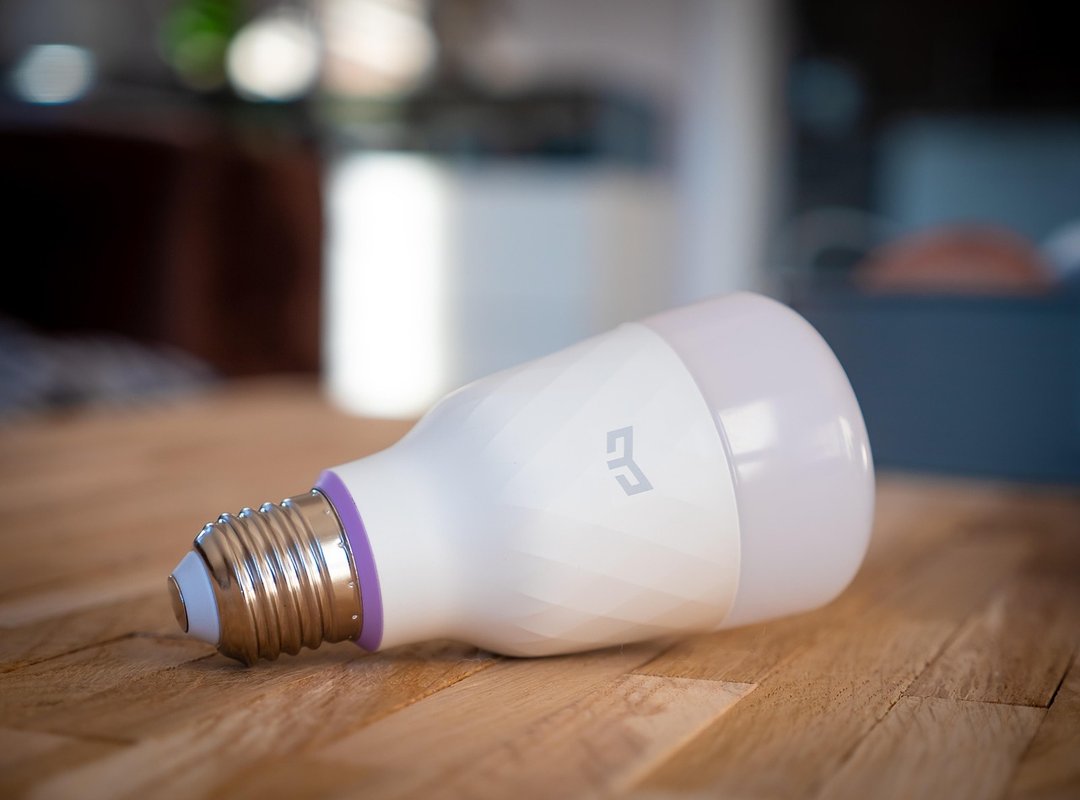
That’s IoT. Pair that with Edge Computing and you get a combo that processes data locally, making it faster and more energy-fast. Why waste time sending everything to the cloud when you can handle it right where it happens?
Take precision agriculture. Farmers now use soil sensors to know exactly where and when to water or fertilize. This isn’t just a win for the environment.
It’s a game-changer for farmers’ bottom lines too. Less water wasted. Less chemical runoff.
More food grown with fewer resources. That’s what I call a green tech breakthrough.
Then there are intelligent buildings. Ever been in a place where the lights and temperature adjust automatically? That’s IoT at work.
These buildings cut energy use by adjusting lighting, heating, and cooling based on who’s there and what time it is. It’s like the building knows you. Creepy or cool?
You decide.
And let’s talk about our cities. Changing water management using sensors in pipes can detect leaks in real-time. Imagine saving billions of gallons of treated water from going down the drain.
Literally. With these changes, we’re moving toward a more sustainable world.
If you’re curious about where this tech is heading, check out the game-changing ai startups watch 2024. They’re leading the charge in green tech. We’re entering a new age of sustainability, and IoT and Edge Computing are lighting the way.
The Circular Economy’s High-Tech Upgrade: Transforming Trash
The circular economy’s a simple idea. Imagine a world where everything we use gets reused and recycled. No waste.
Sounds dreamy, right? But how does this really happen? Enter green tech breakthroughs.
Take AI-powered sorting. Robotic arms with advanced cameras can sort recyclables faster and more accurately than humans. It’s wild to see these machines in action (like a sci-fi movie, but real).
They boost recycling rates and cut down on mistakes. Who knew robots could be so helpful with trash?
Then there’s the digital product passport. Think of it like a blockchain birth certificate for your stuff. QR codes track a product from start to finish, ensuring materials are recycled properly.
Old products can become new resources. It’s a game-changer for sustainability.
Are these innovations perfect? Of course not. But they push us closer to a world without waste.
Can tech solve all our problems? Maybe not. But it’s a step in the right direction.
Let’s keep questioning and pushing forward.
Build the Future Now
Feeling buried under climate challenges? I get it. But there’s hope.
We’re green tech breakthroughs are crafting the path to a sustainable future. From AI to advanced materials, these tools aren’t just theories. They’re in our hands, ready to use.
This isn’t just a distant dream; it’s happening now. So what’s your move? Stay curious.
Stay informed. These are the first steps toward actual change. Don’t let the future pass you by.
Embrace these trends. Want to make a real impact? Start exploring today.
Dive in. The world’s waiting.
 Content & Productivity Strategist
Ask Jimmy Fowlericimo how they got into doxfore edge computing insights and you'll probably get a longer answer than you expected. The short version: Jimmy started doing it, got genuinely hooked, and at some point realized they had accumulated enough hard-won knowledge that it would be a waste not to share it. So they started writing.
What makes Jimmy worth reading is that they skips the obvious stuff. Nobody needs another surface-level take on Doxfore Edge Computing Insights, Expert Insights, Innovation Alerts. What readers actually want is the nuance — the part that only becomes clear after you've made a few mistakes and figured out why. That's the territory Jimmy operates in. The writing is direct, occasionally blunt, and always built around what's actually true rather than what sounds good in an article. They has little patience for filler, which means they's pieces tend to be denser with real information than the average post on the same subject.
Jimmy doesn't write to impress anyone. They writes because they has things to say that they genuinely thinks people should hear. That motivation — basic as it sounds — produces something noticeably different from content written for clicks or word count. Readers pick up on it. The comments on Jimmy's work tend to reflect that.
Content & Productivity Strategist
Ask Jimmy Fowlericimo how they got into doxfore edge computing insights and you'll probably get a longer answer than you expected. The short version: Jimmy started doing it, got genuinely hooked, and at some point realized they had accumulated enough hard-won knowledge that it would be a waste not to share it. So they started writing.
What makes Jimmy worth reading is that they skips the obvious stuff. Nobody needs another surface-level take on Doxfore Edge Computing Insights, Expert Insights, Innovation Alerts. What readers actually want is the nuance — the part that only becomes clear after you've made a few mistakes and figured out why. That's the territory Jimmy operates in. The writing is direct, occasionally blunt, and always built around what's actually true rather than what sounds good in an article. They has little patience for filler, which means they's pieces tend to be denser with real information than the average post on the same subject.
Jimmy doesn't write to impress anyone. They writes because they has things to say that they genuinely thinks people should hear. That motivation — basic as it sounds — produces something noticeably different from content written for clicks or word count. Readers pick up on it. The comments on Jimmy's work tend to reflect that.