
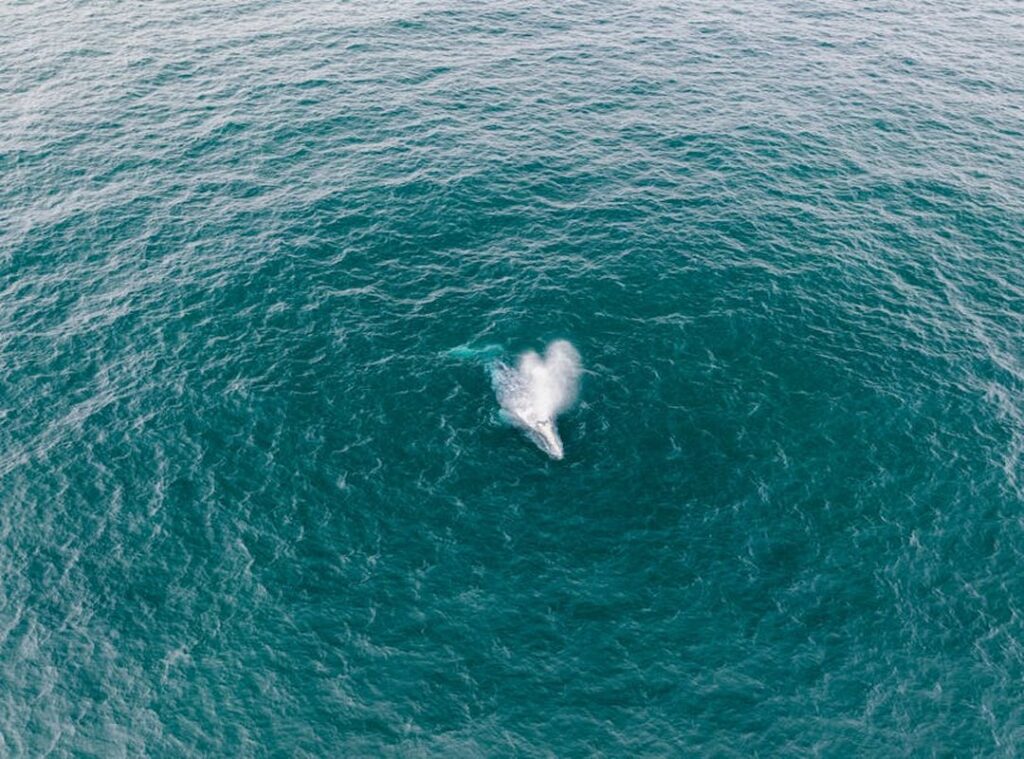
I love diving into the world of el megalodon tiburones comiendo niños. It’s a topic that stirs up both fear and fascination. Kids are naturally curious about these massive prehistoric creatures.
But finding stories that blend fun with facts can be tough. That’s why I’m here to share some thrilling and educational tales. These stories will spark their imagination and teach them something new.
So, let’s jump right in. Are you ready?
The Mighty Megalodon: A Prehistoric Giant
I’ve always been fascinated by the megalodon. This prehistoric shark was a true giant, reaching lengths of up to 60 feet. That’s about three times the size of a great white shark.
Imagine a creature so massive it could easily dwarf a school bus. It ruled the oceans during the Miocene and Pliocene epochs, around 23 to 2.5 million years ago.
The megalodon’s diet was impressive. It feasted on large marine mammals like whales and dolphins. Its powerful jaws and teeth were perfect for taking down such massive prey.
Habitat-wise, it thrived in warm, coastal waters where food was abundant. These areas provided the perfect hunting grounds for this apex predator.
But why did the megalodon go extinct? Scientists believe changes in the environment and competition with other predators played a role. As the Earth cooled and sea levels dropped, the megalodon’s habitat and food sources diminished.
Learning about the megalodon is important for children. It helps them understand the history of our planet and the incredible creatures that once roamed the Earth.
EL MEGALODON TIBURONES COMIENDO NIÑOS might sound like a scary idea, but it’s more about sparking curiosity and imagination. Kids can learn about the natural world and how ecosystems change over time.
Understanding the megalodon also teaches us about the importance of conservation. By learning from the past, we can make better decisions to protect our current marine life.
Sharks: The Ocean’s Apex Predators
I used to think all sharks were the same. Big, scary, and ready to eat anything that moves. Boy, was I wrong.
- Types of Sharks
- Great White: Known for their size and power.
- Hammerhead: Their unique head shape helps them detect prey.
- Whale Shark: Gentle giants that feed on plankton.
Each species has its own quirks. For example, whale sharks are huge but harmless. They filter-feed like whales, not exactly the Jaws stereotype.
Shark Conservation
Sharks are crucial to the ocean ecosystem. They keep the food chain balanced. Without them, the ocean would be a mess.
Overfishing and habitat loss are big problems. We need to protect them.
Myth vs. Reality
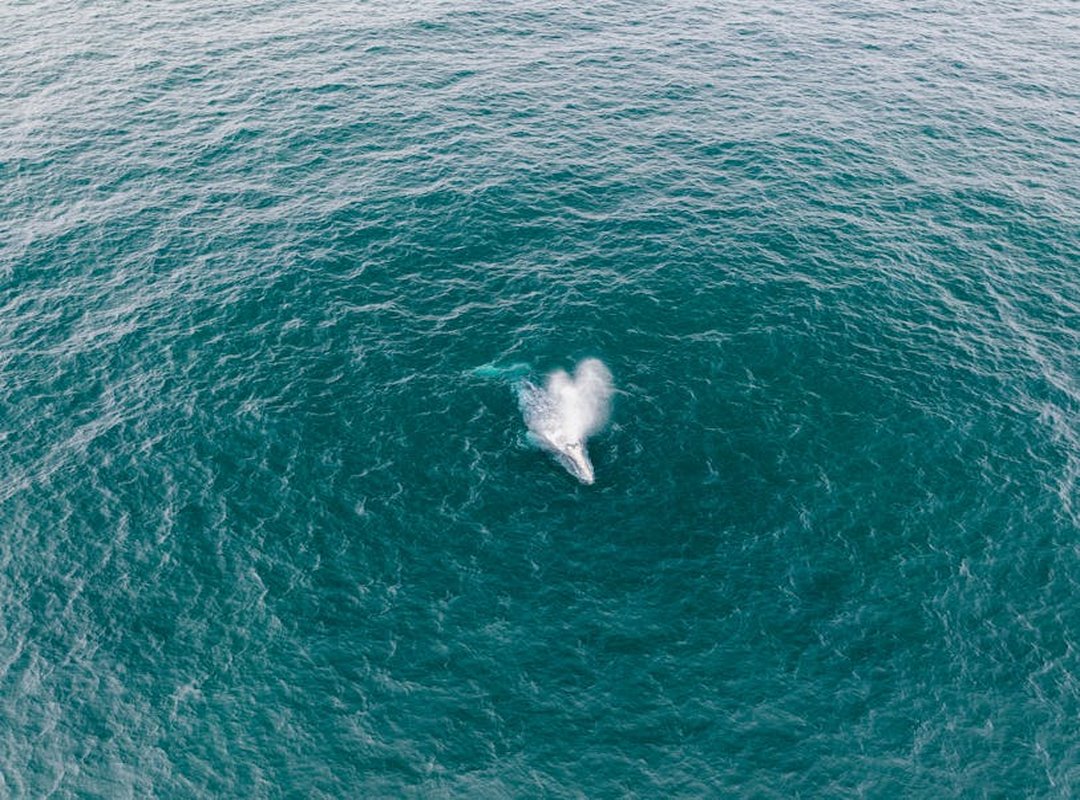
Let’s clear up some myths. Sharks don’t go around looking for humans to snack on. Most shark attacks are cases of mistaken identity.
They confuse us with seals or other prey.
el megalodon tiburones comiendo niños is a common misconception. Megalodons are extinct, and modern sharks rarely attack kids. It’s important to separate fact from fiction.
We need to educate people about sharks. Fear and misinformation can lead to harmful actions. By understanding these creatures, we can coexist and protect them better.
Top Adventure Stories Featuring Megalodons and Sharks
Story 1: Megalodon’s Revenge
In Megalodon’s Revenge, a prehistoric megalodon is accidentally awakened from its icy slumber. The story follows a team of marine biologists as they race to stop the massive predator before it wreaks havoc on coastal towns. It’s a thrilling ride with heart-pounding action and unexpected twists.
Story 2: Shark and Megalodon: A Deep-Sea Alliance
Shark and Megalodon: A Deep-Sea Alliance combines the ancient terror of the megalodon with the modern-day intrigue of great white sharks. This story is not just about survival; it’s also an educational journey into the mysteries of the ocean. Readers learn about marine biology and the intricate relationships between different species, all while enjoying a gripping adventure.
Story 3: The Life of Jaws
The Life of Jaws takes a deep dive into the life of a great white shark. The story explores the shark’s daily struggles, interactions with other marine life, and the challenges it faces in a changing ocean. It’s a moving and insightful tale that highlights the beauty and harsh realities of the underwater world.
Recommendations
If you’re looking for a mix of thrills and education, Shark and Megalodon: A Deep-Sea Alliance is your best bet. It offers a unique blend of adventure and learning, making it perfect for both entertainment and knowledge.
For those who love high-stakes action, Megalodon’s Revenge is a must-read. The fast-paced plot and intense scenes will keep you on the edge of your seat.
The Life of Jaws is ideal for readers who enjoy a more reflective and emotional narrative. It provides a deeper understanding of the life of a shark and the challenges it faces.
Remember, these stories are not just about el megalodon tiburones comiendo niños. They offer a broader perspective on the ocean’s ecosystem and the creatures that inhabit it.
Stay curious and keep exploring the wonders of the deep sea. And if you’re interested in how changes in regulations can impact our world, check out the latest insights on tech innovation.
Creating Your Own Adventure: Tips for Parents and Educators
Interactive storytelling can be a blast. It’s all about getting kids involved in the story. Ask them questions, let them make choices, and see where their imagination takes you.
- Use simple props like hats or scarves to help set the scene.
- Encourage kids to act out parts of the story.
- Let them decide what happens next.
Crafting activities are a great way to keep the fun going. Drawing, model-making, and role-playing can bring stories to life.
- Draw characters from the story.
- Build models of the settings.
- Act out scenes with costumes and props.
Field trips and resources can take it to the next level. Visits to aquariums, museums, and even online resources can make the learning experience richer.
- Aquariums show kids the wonders of marine life.
- Museums offer a glimpse into history and science.
- Online resources provide interactive and educational content.
Remember, the goal is to make learning fun and engaging. So, mix it up and see what works best for your kids. (And don’t worry, no el megalodon tiburones comiendo niños here—just good, clean fun!)
The Importance of Marine Life Education
Stories about megalodons and sharks can really spark a kid’s interest in marine life. When kids hear these thrilling tales, they start to care more about the ocean and its creatures.
Environmental awareness is key. These stories help kids understand why it’s important to protect our oceans. They see the beauty and the danger, and that makes them want to do something about it.
Critical thinking is another big benefit. Kids have to figure out what’s real and what’s just a story. They learn to question and analyze, which is a skill they’ll use for the rest of their lives.
Cultural significance is huge too. Different cultures have unique stories and traditions about marine life. Integrating these into storytelling helps kids appreciate the diversity of our world.
el megalodon tiburones comiendo niños might sound scary, but it’s a way to teach kids about the natural world. It’s not just about fear; it’s about understanding and respect.
In the end, marine life education isn’t just about facts. It’s about inspiring a new generation to love and protect our oceans.
Dive into the World of Megalodons and Sharks
Megalodons were massive prehistoric sharks that ruled the oceans. They were much larger than any shark alive today. el megalodon tiburones comiendo niños is a phrase that highlights the fascination and fear associated with these ancient predators. Modern sharks, while not as large, are still awe-inspiring creatures.
Adventure stories about megalodons and sharks can captivate young minds. These tales not only entertain but also educate children about marine life. Parents and educators can use these stories to spark curiosity and a love for the ocean.
Incorporating related activities can make the learning experience even more engaging.
 Senior Technology Analyst
Ask Terence Goodwiningers how they got into tech landscapes and trends and you'll probably get a longer answer than you expected. The short version: Terence started doing it, got genuinely hooked, and at some point realized they had accumulated enough hard-won knowledge that it would be a waste not to share it. So they started writing.
What makes Terence worth reading is that they skips the obvious stuff. Nobody needs another surface-level take on Tech Landscapes and Trends, Expert Insights, Smart Devices and Solutions. What readers actually want is the nuance — the part that only becomes clear after you've made a few mistakes and figured out why. That's the territory Terence operates in. The writing is direct, occasionally blunt, and always built around what's actually true rather than what sounds good in an article. They has little patience for filler, which means they's pieces tend to be denser with real information than the average post on the same subject.
Terence doesn't write to impress anyone. They writes because they has things to say that they genuinely thinks people should hear. That motivation — basic as it sounds — produces something noticeably different from content written for clicks or word count. Readers pick up on it. The comments on Terence's work tend to reflect that.
Senior Technology Analyst
Ask Terence Goodwiningers how they got into tech landscapes and trends and you'll probably get a longer answer than you expected. The short version: Terence started doing it, got genuinely hooked, and at some point realized they had accumulated enough hard-won knowledge that it would be a waste not to share it. So they started writing.
What makes Terence worth reading is that they skips the obvious stuff. Nobody needs another surface-level take on Tech Landscapes and Trends, Expert Insights, Smart Devices and Solutions. What readers actually want is the nuance — the part that only becomes clear after you've made a few mistakes and figured out why. That's the territory Terence operates in. The writing is direct, occasionally blunt, and always built around what's actually true rather than what sounds good in an article. They has little patience for filler, which means they's pieces tend to be denser with real information than the average post on the same subject.
Terence doesn't write to impress anyone. They writes because they has things to say that they genuinely thinks people should hear. That motivation — basic as it sounds — produces something noticeably different from content written for clicks or word count. Readers pick up on it. The comments on Terence's work tend to reflect that.