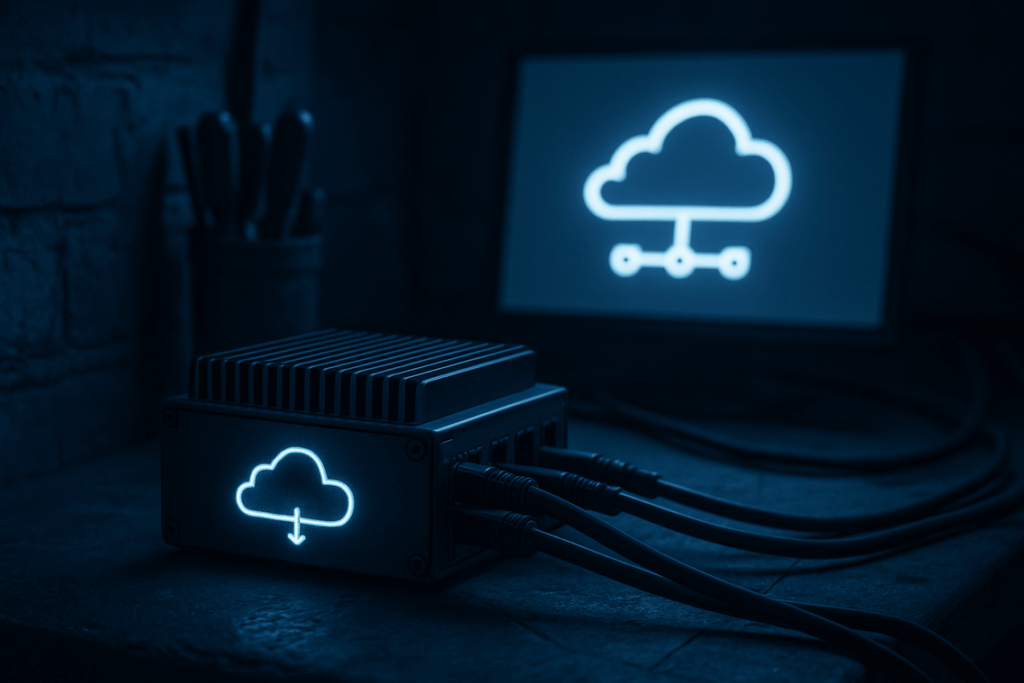
As smart devices multiply and real-time data becomes the norm, relying solely on distant cloud servers is starting to show its limits. Lag, bandwidth strain, and growing security concerns are pushing technology closer to where data is actually created. This guide offers edge computing explained in plain English—what it is, how it works, and why it matters right now. Drawing on deep analysis of emerging tech trends, we break down complex concepts into clear, practical insights. By the end, you’ll understand how edge computing differs from the cloud and how it powers everything from wearables to smart factories.
What is Edge Computing? Processing Data at the Source
Edge computing is a decentralized computing model where data is processed locally—on or near the device that generates it—instead of traveling to a distant cloud server. In simple terms, edge computing explained means handling information right where it happens. I think this shift is one of the most practical evolutions in modern tech (because waiting on the cloud for every tiny task feels a bit like dial‑up in a 5G world).
Picture an on-site security guard versus a remote monitoring center. The guard reacts instantly to a break-in. The remote team? They first receive footage, analyze it, then respond. That delay matters.
Key components include:
- Edge devices like IoT sensors, smart cameras, and smartphones that generate data.
- Edge gateways or local servers that process and filter that data nearby.
Some argue cloud is enough—and for many tasks, it is. But when milliseconds matter, edge wins. For deeper context, see edge vs cloud computing key differences explained.
Edge vs. Cloud: A Tale of Two Architectures
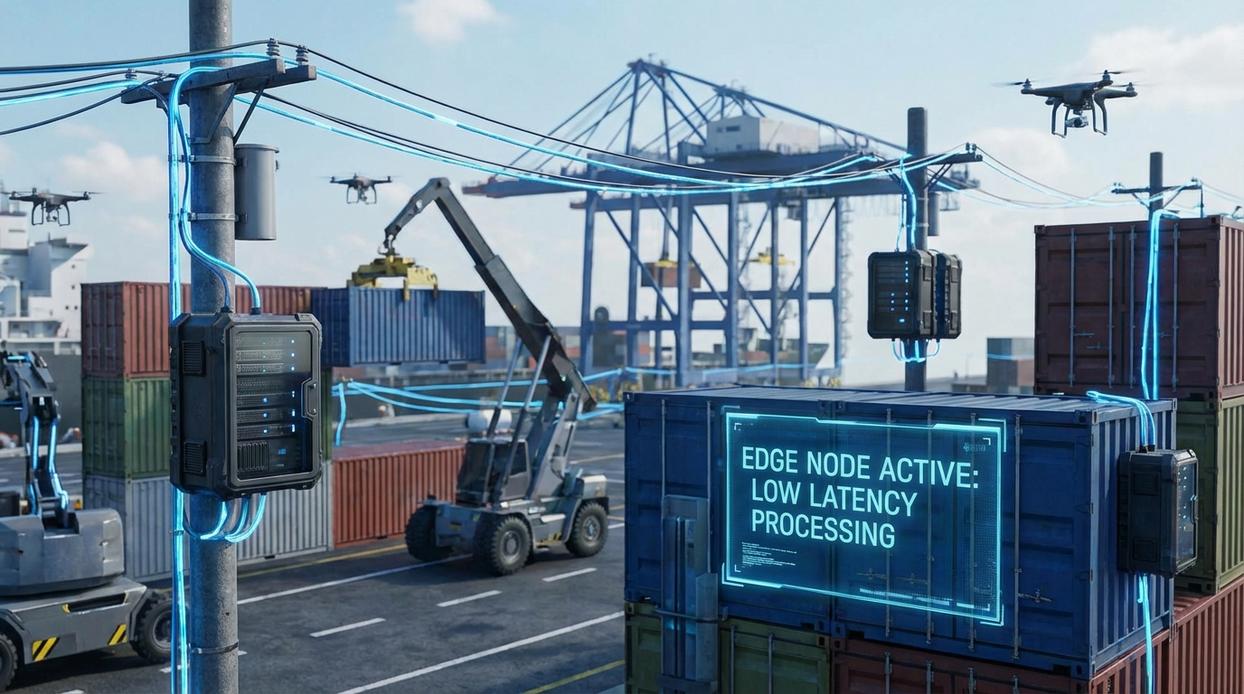
For years, people framed edge and cloud as rivals in a winner-takes-all battle. I made that mistake too. I once pushed everything to the cloud—analytics, device logs, real-time alerts—assuming CENTRALIZATION meant efficiency. What I got instead was lag, ballooning bandwidth costs, and frustrated users (turns out, buffering is not a feature).
Here’s the lesson: this isn’t a competition. It’s a PARTNERSHIP.
Edge handles immediate, time-sensitive tasks close to where data is created. The cloud manages large-scale processing, long-term storage, and advanced analytics. Think of it like a buddy-cop movie—one works the streets, the other runs strategy from headquarters.
Key Differentiators
-
Data Processing Location:
-
Edge: Local, near the data source
-
Cloud: Centralized, remote servers
-
Latency:
-
Edge: Very low
-
Cloud: Higher, network-dependent
-
Bandwidth Usage:
-
Edge: Lower, sends only essential data
-
Cloud: Higher, continuous data transfer
-
Ideal Use Cases:
-
Edge: Real-time apps, IoT devices, autonomous systems
-
Cloud: Big data analytics, machine learning training, archiving
Some argue cloud alone is simpler—one platform, fewer moving parts. That’s fair. But in practice, relying solely on remote servers for real-time decisions is risky and inefficient. My early deployments proved that the hard way.
If you need edge computing explained in practical terms: process what matters NOW locally, send what matters LATER to the cloud.
The smartest architectures don’t choose sides. They combine strengths—and avoid repeating costly mistakes.
Speed used to be a luxury. Now it is survival. Low latency means minimal delay between a request and a response. For autonomous vehicles, augmented reality overlays, and robotic factory arms, milliseconds matter. If a self-driving car waits for a distant server to decide whether to brake, that delay is dangerous (and lawsuit-worthy). This is edge computing explained in practice: process data near the source, not continents away.
Some argue centralized cloud is always more efficient. That was true when data volumes were smaller. Today, billions of IoT sensors stream nonstop. Shipping every raw video feed and temperature ping to the cloud clogs bandwidth and inflates costs. Local filtering sends only what matters.
Security is another driver. Keeping sensitive health, industrial, or biometric data on-device reduces interception risks during transit (fewer highways, fewer hijackings). Critics say distributed systems expand the attack surface. Fair point. Yet encrypted, localized nodes can limit blast radius compared to one giant breached database.
• Faster decisions in real time
• Lower bandwidth expenses
• Continued operation during outages
When connectivity drops, edge systems keep running. In a world addicted to uptime, resilience is power. Cloud alone is no longer the default answer. Proximity changes everything.
From Smart Homes to Smart Factories: Edge Computing in the Wild
Edge computing explained is the practice of processing data near its source rather than relying on distant cloud servers, and its real power shows up in everyday environments.
In smart homes, for example, a speaker can interpret a voice command locally and switch on lights instantly, eliminating the lag of an internet round-trip. The feature is simple, yet the benefit is tangible: faster responses and better privacy.
Meanwhile, retailers deploy in-store cameras running edge AI to analyze traffic patterns in real time. Instead of streaming sensitive footage to the cloud, systems generate anonymized insights on-site, helping managers refine layouts and staffing with immediate feedback.
In industrial settings, vibration sensors attached to factory machines detect anomalies and trigger automatic shutdowns, preventing costly breakdowns and downtime.
Similarly, healthcare wearables analyze heart rate, oxygen levels, and movement on the device itself. Only when readings cross a risk threshold does the system alert clinicians, reducing data noise while accelerating critical care.
Across these use cases, the common thread is specificity: localized processing delivers speed, resilience, and control exactly where it matters most. That precision turns raw data into immediate action for real results.
The Future is Local: What This Means for Technology
You came here to understand how edge computing fits into the future of technology—and now you have a clear framework for seeing it as the essential partner to the cloud. As our world becomes more connected, the real pain points are speed, rising costs, and growing security risks. Edge computing directly solves these challenges by moving processing closer to where data is created, delivering the instant, reliable performance modern devices demand.
The next step is simple: start evaluating the tools and systems you use through this lens. If you want faster, smarter, and more secure technology, prioritize solutions built on edge computing—and stay ahead of the curve as innovation accelerates.