
Innovation is moving faster than most teams can track. From evolving tech landscapes and edge computing breakthroughs to smarter devices reshaping daily workflows, staying informed is no longer optional—it’s a competitive necessity. If you’re searching for clear, actionable insights on the latest technology trends and how they translate into real-world productivity gains, you’re in the right place.
This article cuts through the noise to highlight the most important innovation alerts, emerging tech patterns, and practical solutions you can apply immediately. We analyze verified industry reports, monitor product rollouts, and study performance data across smart ecosystems to ensure every insight is grounded in credible research and real-world application.
You’ll discover how advancements in edge computing, smarter automation, and voice assistant integration are transforming both personal productivity and enterprise efficiency. Whether you’re optimizing workflows or evaluating new tech investments, this guide delivers focused, trustworthy insights designed to help you make smarter decisions—faster.
The conversational shift is no longer theoretical; it is unfolding across Seattle’s offices and Austin’s edge-computing labs.
Traditional GUIs slow warehouse pickers in Memphis and field technicians servicing oil rigs in Midland, where hands-free control is critical. As a result, enterprises are prioritizing voice assistant integration to streamline workflows.
In practice, that means low-latency edge processing, NLP pipelines, and API gateways that authenticate utterance. However, skeptics argue microphones raise compliance flags, especially under GDPR and HIPAA. Fair point.
Yet, with on-device inference and encrypted data streams, the risk surface shrinks. Ultimately, systems reduce friction, boost accessibility, and align with communicate.
Beyond Convenience: Quantifiable Benefits of Voice-Enabled Systems
Boosting Productivity and Efficiency
Voice-enabled systems reduce friction in daily workflows by enabling hands-free, real-time execution of tasks. In enterprise environments, this means employees can update records, retrieve reports, or trigger automations without toggling between apps. For example, warehouse staff using voice commands can log inventory while physically handling goods—cutting task time significantly (McKinsey reports automation can raise productivity by up to 30%). Complex, multi-step actions—like scheduling meetings, generating summaries, and sending follow-ups—can be executed in a single spoken request.
Enhancing Accessibility for All Users
Voice control expands access for individuals with visual or motor impairments. Instead of navigating dense menus, users rely on spoken prompts and audio feedback. This supports compliance with accessibility standards such as WCAG, while also benefiting aging populations who may struggle with small touchscreens.
Simplifying the User Experience (UX)
Natural Language Processing (NLP)—technology that enables systems to understand human speech—reduces the learning curve. Users interact conversationally rather than memorizing commands (think less “manual,” more “assistant”).
Unlocking New Functionality
Some features are only practical through voice:
- Ambient data queries in real time
- Multi-step workflow orchestration
- Seamless voice assistant integration across devices
Pro tip: Start with high-frequency tasks to see measurable ROI quickly.
The Architectural Blueprint: Core Components of Voice Integration
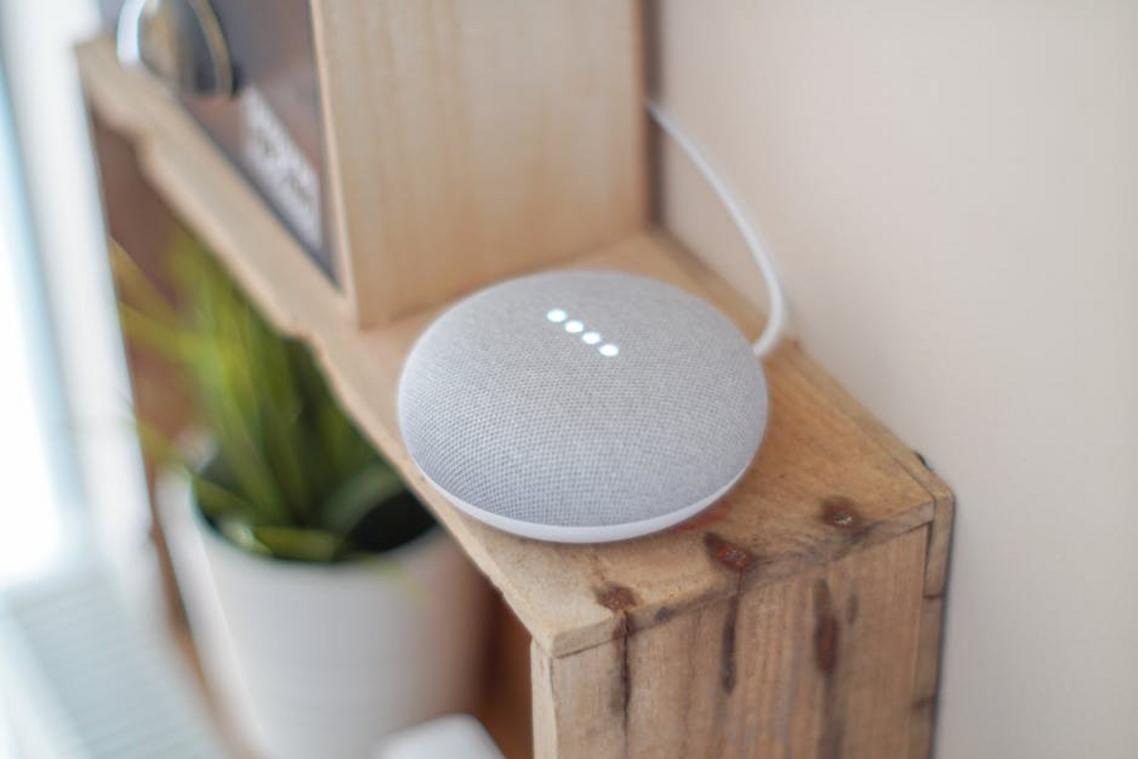
Voice systems feel simple on the surface—say a command, get a response. However, behind that simplicity lies a tightly coordinated stack of technologies working in milliseconds.
Wake Word Detection
This is the always-listening gatekeeper. A wake word is the predefined phrase (like “Hey Google”) that activates the system. The challenge? Balancing accuracy with power consumption. Devices rely on low-power edge computing—processing data locally on the device instead of the cloud—to reduce latency and protect privacy. While some argue constant listening drains batteries or risks misuse, modern chipsets use lightweight neural models that remain dormant until triggered, minimizing both energy use and data exposure.
Automatic Speech Recognition (ASR)
Once activated, ASR converts spoken audio into text. This involves acoustic modeling (mapping sounds to phonemes) and language modeling (predicting word sequences). Yet real-world audio is messy—accents, dialects, and background noise all interfere. Advanced ASR systems now use deep neural networks trained on diverse datasets to improve accuracy (Google reports word error rate reductions exceeding 30% over the past decade). In practice, better ASR means fewer frustrating “Sorry, I didn’t catch that” moments.
Natural Language Understanding (NLU)
Next comes interpretation. NLU extracts intent—the user’s goal—from text. For example, “It’s freezing in here” may signal a thermostat adjustment. Context modeling and entity recognition allow systems to move beyond literal meaning. Critics argue AI still misses nuance; however, contextual memory and transformer-based models have significantly narrowed that gap.
Text-to-Speech (TTS) Synthesis
Finally, TTS converts responses into speech. Modern neural TTS systems generate human-like cadence and emotion, boosting trust and engagement (a key factor in user retention studies by PwC).
Platform & API Selection
| Option | Benefit | Trade-Off |
|---|---|---|
| Established Platforms | Faster deployment, mature SDKs |
Limited customization |
| Custom Solutions | Full control, brand voice ownership | Higher cost and complexity |
Ultimately, successful voice assistant integration depends on aligning these components with performance, privacy, and scalability goals.
Voice Integration in Action: Practical Use Cases Across Industries
Smart Devices and IoT
Smart speakers and connected thermostats are obvious examples, but the real shift is deeper. The Internet of Things (IoT), meaning everyday objects embedded with sensors and software, lets factories adjust machinery through voice commands. For homeowners, see how smart home devices are transforming everyday living for practical setups. Meanwhile, voice assistant integration reduces screen time and friction (no more hunting for apps).
In enterprise software, teams automate CRM updates or generate analytics reports verbally. Critics argue accuracy lags behind typing, and early speech recognition did. However, modern systems exceed 95% accuracy, according to Stanford research, narrowing that gap. Pro tip: train custom vocabularies for industry terms to boost precision.
On the road, hands-free infotainment keeps drivers focused. The National Highway Traffic Safety Administration links distraction to thousands of crashes annually, so reducing manual input matters. It feels less sci-fi and more essential.
Finally, clinicians use voice tools to dictate notes in sterile rooms, limiting contamination risks. Some worry about privacy, yet encrypted systems and HIPAA safeguards address compliance. When implemented thoughtfully, voice interfaces solve real workflow bottlenecks across industries. That practicality is why adoption continues to accelerate worldwide, reshaping how people interact with technology every single day. In measurable ways.
Overcoming integration hurdles requires practical safeguards, not just good intentions. Ensuring user privacy and data security starts with transparency: publish clear data-flow diagrams and encrypt information at rest and in transit. Pro tip: run quarterly penetration tests and share summaries with customers to build trust.
For contextual awareness, map user journeys and store session state securely, so follow-up questions feel natural, not robotic. When minimizing latency, pilot edge processing for common commands while reserving complex analytics for the cloud. For example, a smart thermostat using voice assistant integration can adjust temperature locally, even if connectivity drops.
- Benchmark response times
- Iterate
Clunky, click-heavy dashboards are killing momentum. Every extra tab, dropdown, and confirmation box feels like friction. You start focused and end up LOST in menus. That bottleneck isn’t just annoying; it’s a productivity tax.
Some argue clicks are precise and safer than speech. Fair. But precision means nothing when it slows EVERYTHING down.
Voice assistant integration removes that drag. It turns commands into instant action. More accessible. More natural. More HUMAN.
Start small:
- Pick one HIGH-IMPACT workflow.
- Prototype a simple voice trigger.
- Measure time saved and errors reduced.
Then iterate. Stop tolerating friction. Your next command should feel like progress.
As you explore the capabilities of voice assistants in your projects, be sure to check out our troubleshooting tips in ‘Python Error Dowstrike2045’ to resolve common coding hurdles you may encounter along the way – for more details, check out our Python Error Dowsstrike2045.
Turn Innovation Into Action Today
You came here to make sense of the latest tech shifts — from smart devices to edge computing and voice assistant integration — and now you have a clearer roadmap. The trends aren’t just buzzwords. They’re practical tools you can use to streamline workflows, boost productivity, and stay ahead of rapid digital change.
The real challenge isn’t access to technology. It’s knowing which innovations actually solve your daily friction points — wasted time, disconnected systems, and missed opportunities. When you align the right smart solutions with your goals, you stop reacting to change and start leading it.
Now it’s time to act. Audit your current tech stack, identify one bottleneck slowing you down, and implement a smarter, more connected solution this week. Stay plugged into innovation alerts and trend insights so you’re never caught off guard.
Don’t let fast-moving technology outpace you. Get the insights, apply the strategies, and start building a smarter, more efficient digital ecosystem today.