
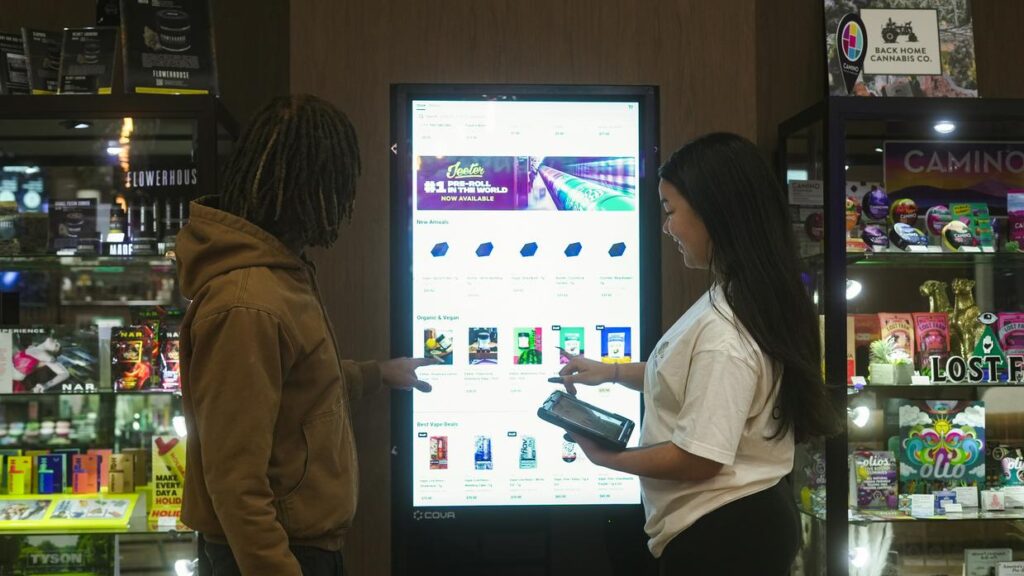
Edge computing is rapidly reshaping how businesses process data, deploy smart devices, and unlock real-time insights—but keeping up with what actually matters can be overwhelming. If you’re searching for clear, practical insights into how edge technologies are evolving and where they’re delivering real value, this article is built for you.
We break down the latest trends, emerging tools, and real-world edge computing industry use cases that are transforming sectors from manufacturing and healthcare to retail and smart cities. Instead of surface-level commentary, you’ll get focused analysis on how edge solutions improve latency, strengthen security, reduce bandwidth costs, and enable smarter decision-making at scale.
Our insights are grounded in current market data, technical research, and expert commentary from across the tech ecosystem—so you’re not just reading predictions, but informed perspectives backed by real-world implementation patterns. By the end, you’ll understand where edge computing is headed, which applications are gaining traction, and how to apply these developments strategically.
Why Local Data Processing Is Changing the Speed of Business
Edge computing is a decentralized model that moves computation and data storage closer to where data is generated—on devices, sensors, or local gateways instead of distant cloud servers. In other words, it processes information at the source rather than shipping everything to a centralized data center.
So why does this matter? First, latency—meaning delay between action and response—shrinks dramatically. A self-driving car can’t wait milliseconds for cloud feedback (that’s the difference between braking and crashing). Second, bandwidth costs drop because less raw data travels long distances. Third, privacy risks decrease as sensitive data stays local.
While many articles stay theoretical, few quantify real deployments. From predictive maintenance in factories to in-store retail analytics, practical edge computing industry use cases reveal measurable gains in speed, resilience, and compliance.
Smart Factories: Edge Applications in Manufacturing and IIoT
Smart factories run on decisions made in milliseconds. The big debate? EDGE VS CLOUD.
Application Scenario 1: Predictive Maintenance
In a traditional cloud-only setup, sensors stream vibration, temperature, and acoustic data to a remote server for analysis. That works—but it’s slow and bandwidth-heavy. Now compare that with an EDGE GATEWAY on the factory floor. It processes data locally, flags anomalies instantly, and sends only critical insights upstream.
Result:
- Less latency
- Lower bandwidth costs
- Fewer surprise breakdowns
Predictive maintenance (using real-time data to anticipate equipment failure before it happens) prevents unplanned downtime that costs manufacturers billions annually (McKinsey). Critics argue cloud systems are easier to scale. True. But when a turbine overheats, waiting on a round-trip to a distant data center isn’t practical.
Application Scenario 2: AI-Powered Quality Control
Now picture high-resolution cameras inspecting products at high speed. A cloud round-trip introduces delay. An on-site EDGE SERVER runs machine learning models locally, spotting microscopic defects instantly—like a robotic Sherlock Holmes.
Cloud offers centralized model updates. Edge delivers REAL-TIME PRECISION.
That’s why edge computing industry use cases consistently highlight manufacturing. When milliseconds matter, proximity wins.
The Intelligent Clinic: Transforming Healthcare with Edge AI
Have you ever wondered what happens if a patient’s internet connection drops at the exact moment their heart rhythm turns dangerous? In an intelligent clinic, that risk shrinks dramatically.
Application Scenario 1: Real-Time Patient Monitoring
Wearable biosensors—such as ECG patches and continuous glucose monitors—stream vital data to a nearby edge device (a local computing unit that processes data close to its source). Instead of sending everything to a distant cloud server, the device analyzes readings instantly within a hospital room or even a patient’s home. If it detects arrhythmia or a sharp glucose spike, it triggers an alert immediately—no buffering, no waiting.
Critics argue cloud systems are powerful enough already. True, cloud analytics excel at large-scale trends. However, when seconds matter, latency (the delay before data transfers) can be costly. Local processing ensures reliability even during network outages. Sound reassuring?
Application Scenario 2: AI-Assisted Medical Imaging
Meanwhile, massive MRI and CT files are pre-processed by on-premise edge servers. These systems highlight potential anomalies—tiny lesions, microfractures—before a radiologist even zooms in. Sensitive patient data never leaves the hospital network, strengthening privacy safeguards.
Isn’t faster diagnosis with tighter security exactly what modern healthcare demands? This is where edge computing industry use cases move from theory to lifesaving practice.
Reinventing Retail: Edge Solutions for In-Store Experiences
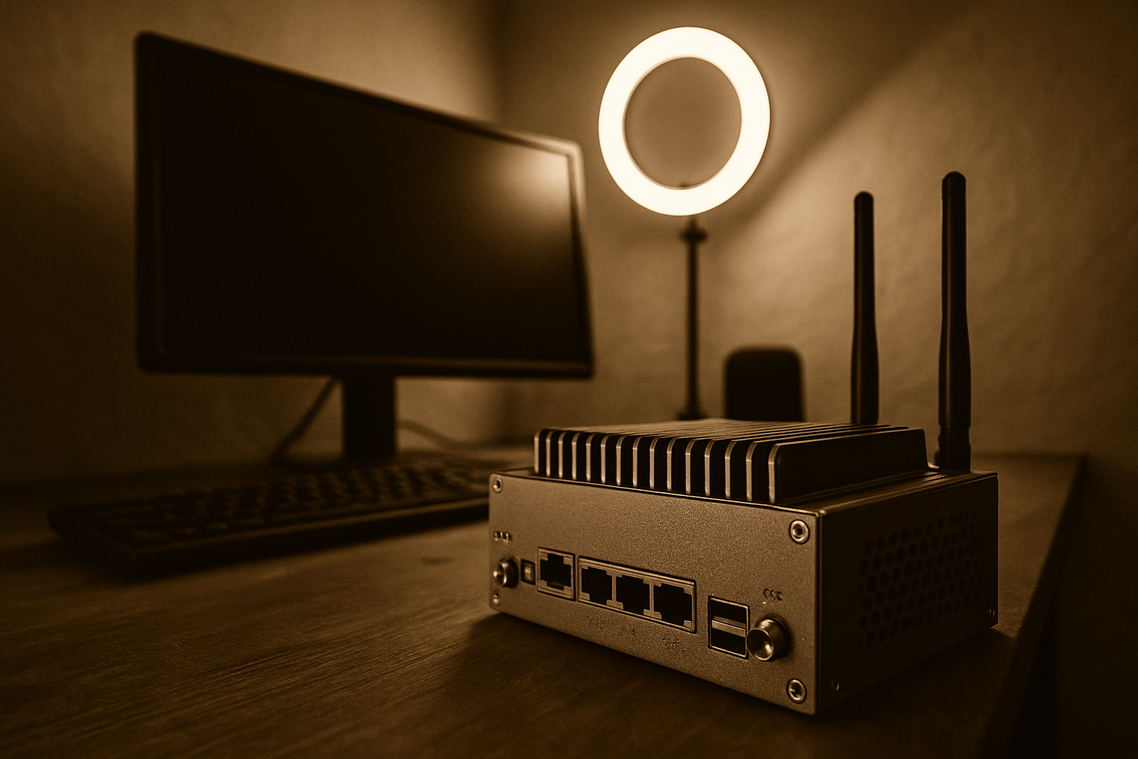
Retail’s next battleground isn’t online—it’s in-store intelligence.
Application Scenario 1: Frictionless Checkout Systems
“Just walk out” stores rely on dense networks of cameras, weight sensors, and computer vision models running on in-store edge servers. Instead of streaming dozens of high-definition video feeds to the cloud (a bandwidth and latency nightmare), data is processed locally in milliseconds.
The competitive edge? Lower infrastructure costs and near-instant transaction validation. While many competitors highlight convenience, few discuss how on-site processing dramatically reduces cloud dependency and exposure to security challenges in distributed edge networks.
This architecture turns physical retail into one of the most compelling edge computing industry use cases, where speed equals revenue.
Application Scenario 2: Real-Time Inventory Management
Smart shelves embedded with weight sensors and micro-cameras analyze stock levels continuously at the edge. When quantities dip below preset thresholds, systems trigger automated reorders and alert staff instantly.
Unlike legacy barcode audits, edge-enabled monitoring eliminates blind spots (and those awkward “Sorry, we’re out” moments). The result? Fewer stockouts, tighter supply chains, and data-driven merchandising decisions delivered in real time.
The Road Ahead: Edge Computing in Automotive and Transportation
Edge computing is reshaping transportation—and the benefits are immediate and tangible. Consider autonomous vehicles first. Self-driving cars are essentially rolling data centers, processing inputs from LiDAR (laser-based distance measurement sensors), radar, and high-resolution cameras. These onboard systems analyze massive data streams in milliseconds to steer, brake, and accelerate safely. Relying on a distant cloud server would introduce latency (delay in data transmission) that could mean the difference between a smooth stop and a collision. By keeping computation at the edge, vehicles gain faster reaction times, improved passenger safety, and greater reliability—even in areas with weak connectivity.
Meanwhile, intelligent traffic management extends these advantages to entire cities. Traffic cameras and road sensors transmit data to a nearby edge node at an intersection. This local system evaluates congestion patterns in real time and adjusts signal timing instantly. As a result, commuters experience shorter travel times, cities reduce emissions from idling cars, and emergency vehicles move faster through crowded streets. These edge computing industry use cases show how processing data closer to its source delivers safer roads and smarter mobility for everyone.
Across industries, edge computing has proven its value. Hospitals use on-site processing for real-time patient monitoring, while manufacturers rely on instant machine feedback to prevent defects. These edge computing industry use cases in the section once exactly as it is given demonstrate ultra-low latency for immediate action, lower data transit costs, stronger privacy controls, and resilience in low-connectivity regions. According to Gartner, by 2025, 75% of enterprise data will be processed outside centralized data centers, underscoring this shift. Moreover, localized processing reduces breach exposure by limiting data movement. Looking ahead, the convergence of edge, 5G, and AI will amplify distributed intelligence. So, where in your workflow does delay or downtime still dictate outcomes? Identify it—and consider an edge-first redesign. The evidence is already compelling today.
Stay Ahead in a Rapidly Evolving Tech Landscape
You came here to better understand how today’s innovations—from smart devices to real-time data processing—are reshaping the way we work and compete. Now you have a clearer view of how emerging trends and edge computing industry use cases are transforming operations, boosting efficiency, and unlocking new growth opportunities.
The real challenge isn’t access to technology—it’s keeping up with it. Falling behind on edge computing advancements, productivity tools, and intelligent systems can mean missed opportunities, slower performance, and competitors gaining ground.
The good news? You don’t have to navigate this shift alone. Stay plugged into the latest innovation alerts, practical tech insights, and actionable strategies designed to help you implement smarter solutions faster.
If you’re ready to turn cutting-edge trends into real-world results, start applying these insights today and stay connected for continuous updates. Join thousands of forward-thinking professionals who rely on trusted tech intelligence to stay competitive—subscribe now and make your next move your smartest one yet.
 Founder & Chief Innovation Officer
There is a specific skill involved in explaining something clearly — one that is completely separate from actually knowing the subject. Ythran Draymond has both. They has spent years working with innovation alerts in a hands-on capacity, and an equal amount of time figuring out how to translate that experience into writing that people with different backgrounds can actually absorb and use.
Ythran tends to approach complex subjects — Innovation Alerts, Smart Devices and Solutions, Tech Landscapes and Trends being good examples — by starting with what the reader already knows, then building outward from there rather than dropping them in the deep end. It sounds like a small thing. In practice it makes a significant difference in whether someone finishes the article or abandons it halfway through. They is also good at knowing when to stop — a surprisingly underrated skill. Some writers bury useful information under so many caveats and qualifications that the point disappears. Ythran knows where the point is and gets there without too many detours.
The practical effect of all this is that people who read Ythran's work tend to come away actually capable of doing something with it. Not just vaguely informed — actually capable. For a writer working in innovation alerts, that is probably the best possible outcome, and it's the standard Ythran holds they's own work to.
Founder & Chief Innovation Officer
There is a specific skill involved in explaining something clearly — one that is completely separate from actually knowing the subject. Ythran Draymond has both. They has spent years working with innovation alerts in a hands-on capacity, and an equal amount of time figuring out how to translate that experience into writing that people with different backgrounds can actually absorb and use.
Ythran tends to approach complex subjects — Innovation Alerts, Smart Devices and Solutions, Tech Landscapes and Trends being good examples — by starting with what the reader already knows, then building outward from there rather than dropping them in the deep end. It sounds like a small thing. In practice it makes a significant difference in whether someone finishes the article or abandons it halfway through. They is also good at knowing when to stop — a surprisingly underrated skill. Some writers bury useful information under so many caveats and qualifications that the point disappears. Ythran knows where the point is and gets there without too many detours.
The practical effect of all this is that people who read Ythran's work tend to come away actually capable of doing something with it. Not just vaguely informed — actually capable. For a writer working in innovation alerts, that is probably the best possible outcome, and it's the standard Ythran holds they's own work to.